Single Load Cells Manufacturer In Bhopal
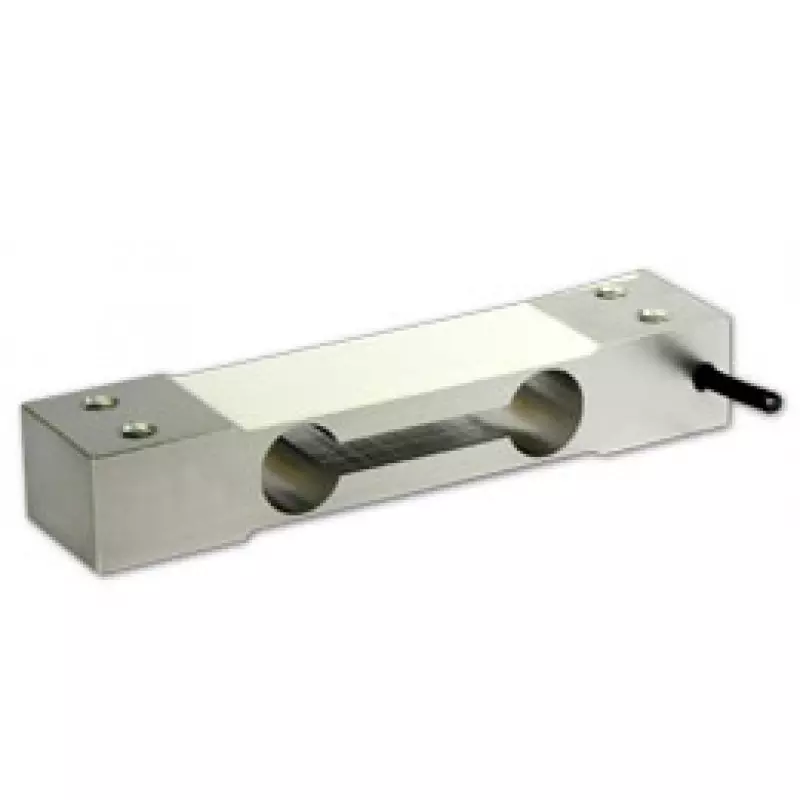
Details of ST 601
Our dedicated team in Bhopal manufactures single load cells using innovative solutions that ensure outstanding quality and reliability. We focus on delivering products that meet precise force measurement needs for various industrial setups. Our single load cells suit applications requiring accurate weight detection with ease of installation.
One common issue with weighing systems is calibration drift over time, which can cause errors in measurements. Single load cells offer a simple design reducing complexity, making regular maintenance and recalibration less frequent compared to multi-load cell systems. This helps clients reduce downtime and cost related to upkeep while keeping measurement accuracy close to the original standards.
Their compact size fits well into confined spaces where larger or multiple sensors won't fit without redesigning machinery parts or fixtures. Also, fewer components mean fewer potential failure points under harsh environmental conditions like vibration, dust, or humidity. This aspect makes single load cells popular for OEM integration in packaging machines and conveyor belts.
Focused Skill Sets
We rely on decades of combined experience in strain gauge technology to build these sensors. Using high-grade stainless steel and carefully engineered alloy materials gives us control over elasticity properties vital for stable readings even after heavy loads or shocks. Testing each unit ensures repeatability within tight tolerances necessary for process control environments often found around Bhopal's manufacturing plants.
Besides standard offerings, we take custom requests seriously – adjusting dimensions, capacity ranges, or cable lengths as needed by clients developing specialized equipment setups. That flexibility comes from our deep understanding of both mechanical design principles and electrical signal conditioning required by strain gauges embedded inside the load cell body.
Choosing What Fits Best
If you consider weighing modules using multiple load cells versus a single one like ours, think about your application specifics first: space constraints, expected load types (static vs dynamic), precision level required, plus budget limits play big roles here. Single load cells bring straightforward installation and less wiring but may not capture complex loading scenarios as well as multi-point setups do. Yet for many applications near Bhopal involving uniform loads or moderate accuracy demands, they're the best choice.
Offered Product
