Industrial Load Cells Manufacturer In Surat
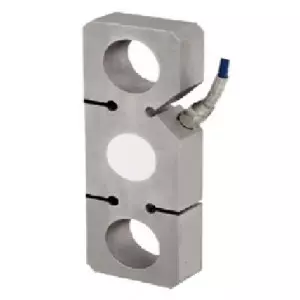
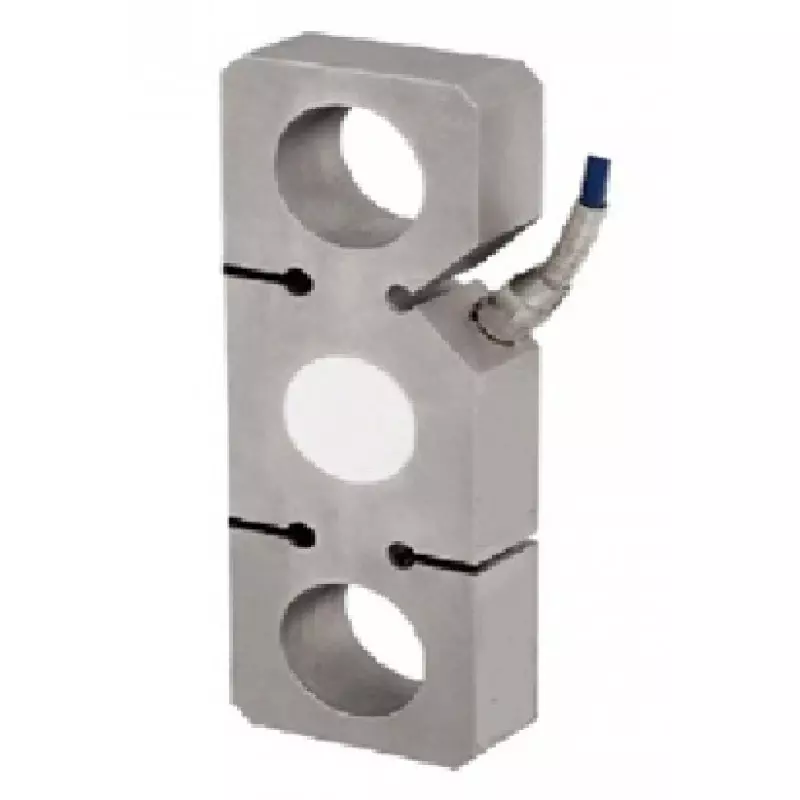
Details of ST-BH1
Built for Site Conditions
We build load cells. As a manufacturer of industrial load cells serving Surat, we work with buyers on capacity, mounting and site conditions before recommending a model. Our load cells are designed for industrial use, but consistent readings depend on the full setup (not the sensor alone). Site details matter.
Heat changes readings. Dust, washdown water and vibration can also affect a weighing system, so we check the operating conditions and the protection needed before a model is selected. A load cell rated for one area may not suit another. We need the actual conditions.
Mounting needs attention. A platform that shifts under load can introduce side forces, while a stiff pipe connected to a tank can carry part of the weight away from the load cells. We review the mounting arrangement with the buyer, along with cable routing and access for maintenance. The frame matters as well.
Choosing the Right Type
Capacity isn't enough. We make compression, shear beam, S-type, single point and other load cell types, and the choice depends on how the force enters the sensor and where it's installed. A spare cell should match the existing arrangement, including dimensions and electrical output. We check fit first.
Overload needs review. A machine may see short peak loads above its normal working load, especially during filling, lifting or sudden stops. We ask for the working range and expected peak load before suggesting a capacity. Leave room for peaks.
Material also matters. We use materials such as alloy steel, stainless steel and aluminium alloy across our range, with the choice depending on the model and its intended use. For a wet or corrosive area, we need the cleaning method and exposure details before confirming suitability. Don't select by appearance.
Order and Delivery Details
Drawings come first. For a custom order, we ask for mounting dimensions, load direction and space limits, then review these against the design before the buyer approves the order. A drawing can also show where a cable exits, which may affect installation in a tight enclosure. Changes need review.
Documents need checking. We discuss the documents needed with the order, including drawings, product specifications and test records where applicable, since the set may vary by model and customer requirement. For an OEM order, we can review the document list before dispatch (late requests can hold up receipt). Agree on the list early.
Delivery dates depend. We confirm the order scope, quantities and any custom work before giving a delivery commitment to buyers in Surat. Repeat orders are easier to plan when the approved part details stay the same, but a change in cable length or mounting size still needs review. Share changes early.
Explore the Range
Start with your application. Explore our industrial load cell range and send us the load direction, working capacity and a sketch or photo of the mounting area. We can discuss the available options with your team before you place an enquiry. Let's review the fit.
Offered Product
