Compression Load Cell Supplier In Ahmedabad
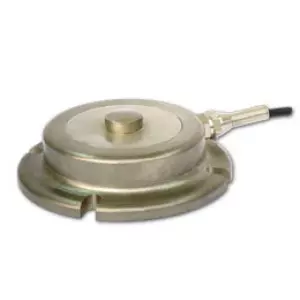
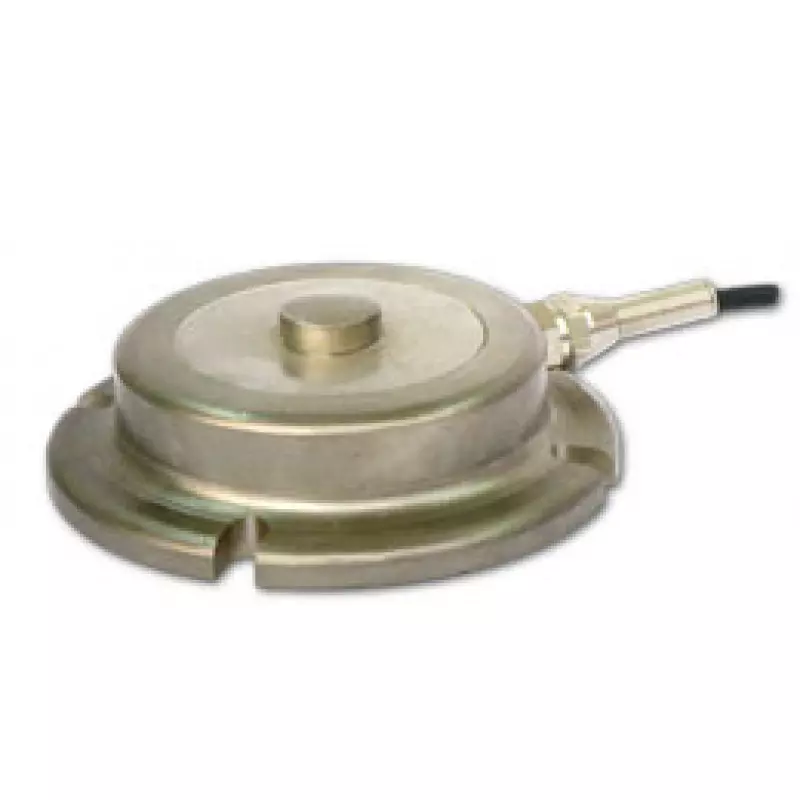
Details of ST 201
Managing weight measurement means dealing with complexity, and compression load cells in Ahmedabad come with their own set of trade-offs. They’re strong but sometimes tricky to fit in tight spots. The main gain is reliable force reading under pressure, yet you might lose some ease in installation or face environmental challenges. Finding the right balance depends on your specific setup and what you want to measure.
Compression load cells work best where heavy loads press down, such as presses or tanks. But they aren’t always plug-and-play; knowing how they react under different temperatures or moisture levels matters a lot. Materials like stainless steel help resist corrosion, but costs go up—it's about weighing long-term durability against upfront expenses.
The variety of sizes and capacities means adaptability is key here. Some setups need small-scale precision while others require handling tons of force without breaking a sweat. We’ve seen clients adjust designs mid-project when standard models didn’t fit well enough into compact spaces or meet safety standards.
We adjust fast when requirements change—custom shapes, special cable lengths, or altered mounting options come up often. That flexibility makes a difference for projects that evolve after initial planning because it’s rare that everything goes perfectly first time around.
Explore Your Options
If you want to dive deeper into compression load cells designed for tough industrial use in Ahmedabad, reach out directly so we can discuss what suits your needs best (and skip the usual back-and-forth). There are lots of technical details worth going over live rather than guessing from specs alone.
Offered Product
