Rope Tension Load Cell Supplier In Amritsar
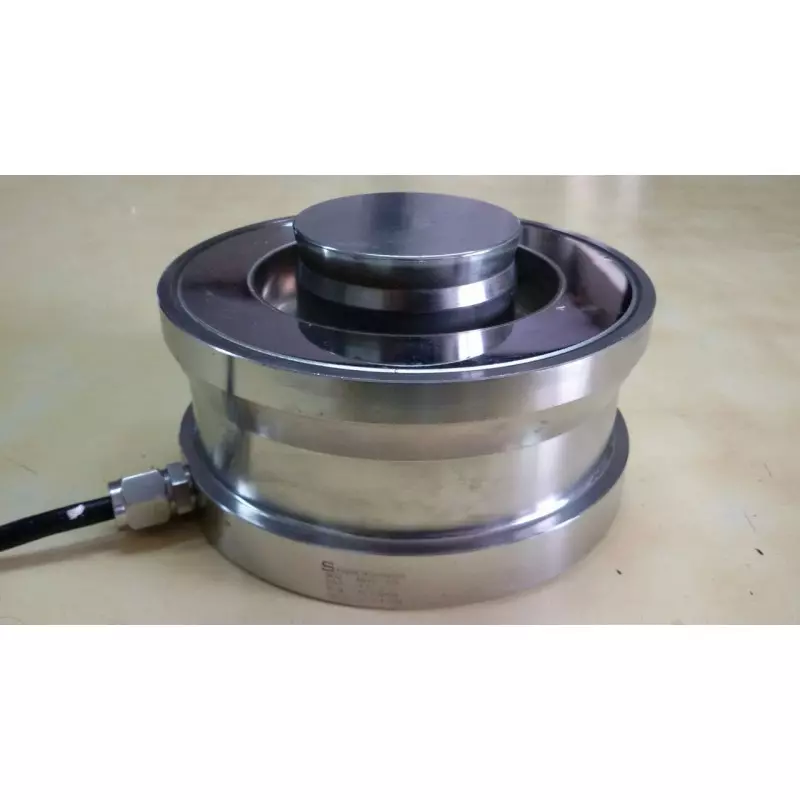
Details of ST-NHS-A / SS
Rope loads change. As a supplier of Rope Tension Load Cells for Amritsar, we help buyers select a sensor that supports steady readings when rope loads change during work. A load cell won't hold its accuracy on its own. We recommend regular checks against a known reference throughout its working life, with the check interval based on use and site conditions. Calibration needs follow-up.
Rope fit matters. We ask for the rope diameter, expected working load and peak load before suggesting a model, since a sensor that fits the rope may still be wrong for the force applied. For example, an 18 mm rope size alone isn't enough to select a load cell. The mounting space and rope path matter too. We check both.
Readings need context. We also review the indicator or controller planned for the system, along with cable length and the signal needed by the control panel. If the rope moves or changes angle under load (as it may on a hoist), the mounting arrangement needs a closer review. A reading without that review can mislead the operator.
Looking After the Load Cell
- Rope and mounting
- Keep the rope path clear and check that the load cell stays firmly mounted. Follow the mounting guidance for the selected model.
- Cleaning
- Remove dirt from accessible areas with a suitable cloth. Check the product guidance before using water or cleaning agents.
- Cable and connections
- Inspect the cable for cuts, loose connections and strain near the entry point. Route it away from moving parts.
- Calibration checks
- Compare readings with a suitable reference at intervals set for the application. If readings drift, check the mounting and connections before arranging calibration.
- Safe handling
- Take the load off safely before inspection. Don't work on a tensioned rope without the site's isolation procedure.
What We Check Before Supply
Site conditions vary. For a buyer in Amritsar, we can review whether the load cell will work indoors or outdoors, and whether dust, moisture or wash-down will affect the choice of material and protection. The rated load needs room for expected peaks, not just the usual running load. We ask about both.
Space gets tight. Our team works with standard models and can discuss a custom design when mounting dimensions or environmental needs call for it. We also ask for drawings where available (a rough sketch helps), particularly when the sensor has to fit near an existing pulley or frame. That can save a revision later.
Panel details count. We supply load cell indicator controllers alongside sensors, so we can discuss the signal and display needs before the order is finalised. The buyer's control system and site wiring still need to be checked. We keep those details in view.
Review Your Options
Share your requirement. Send us the rope diameter, load range, available mounting space and a drawing of the setup if you have one. We can review the available load cell options and discuss the next step with you.
Offered Product
